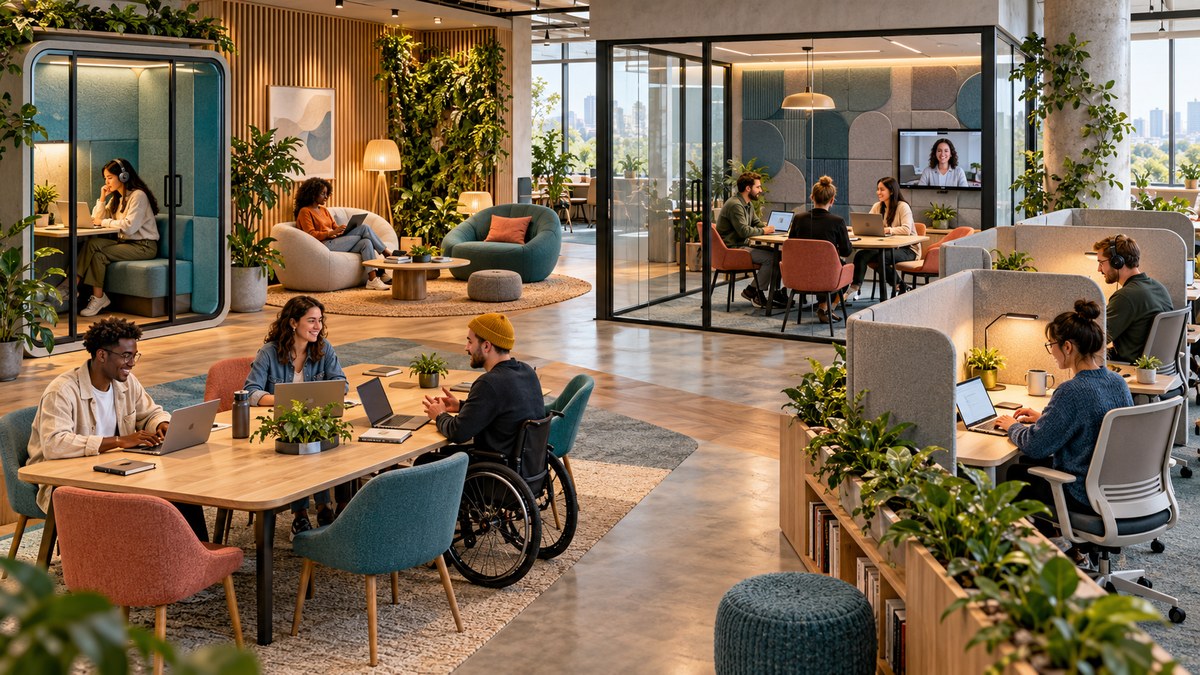
Picture this: your remote team is scattered across five states, and once a quarter you try to get everyone in the same room. For some people, that room is a welcome change of scenery. For others, it is a minefield of fluorescent lights, open floor plans, and background chatter that makes focusing feel impossible. If you manage a distributed team, you already know that one size does not fit all when it comes to workspace. The good news is that more coworking spaces are starting to design for neurodiversity, and that shift makes a real difference for employees with ADHD, autism, or sensory processing differences.
Choosing a coworking space for a neurodivergent remote team means looking beyond free coffee and fast Wi-Fi. The best spaces offer adjustable lighting, quiet zones, clear signage, and flexible booking options. This guide walks you through the features that matter most, common mistakes to avoid, and a step-by-step process for evaluating spaces so every team member can do their best work.
Why Standard Coworking Spaces Often Miss the Mark
Most coworking spaces were built for a mythical “average” worker. Open layouts encourage serendipitous chats. Bright overhead lights keep everyone alert. Background music creates energy. For a neurotypical brain, these features can feel fine or even energizing. For someone with autism, sensory processing disorder, or ADHD, they can be a recipe for overload.
Think about the last time you tried to concentrate in a noisy coffee shop. Now imagine that feeling every single day, amplified by flickering lights, unpredictable sounds, and the pressure to mask discomfort. That is the reality for many neurodivergent workers in standard coworking environments. The result is lower productivity, higher stress, and a team that dreads in-person meetups instead of looking forward to them.
The shift toward neuroinclusive design is not about adding fancy perks. It is about offering choice and removing barriers. When a space lets people control their environment, everyone benefits.
What to Look for in a Neuroinclusive Coworking Space
Not every space advertises itself as neurodiversity-friendly, but many have the right ingredients. Here are the features that matter most for remote teams.
Sensory-Friendly Design Elements
- Adjustable lighting: Look for spaces with dimmable LEDs, warm color temperatures, and plenty of natural light. Avoid spaces that rely solely on harsh fluorescent tubes.
- Acoustic zoning: A good space separates quiet zones from collaboration areas with soundproof walls or strategic furniture placement. Some even offer white noise machines or sound masking systems.
- Low-scent policies: Cleaning products, air fresheners, and even strong coffee can trigger sensory issues. Spaces that use unscented or hypoallergenic products are a green flag.
- Visual calm: Cluttered walls, busy patterns, and open storage can be distracting. Clean sight lines and neutral colors help reduce visual noise.
Flexible Work Zones
A neuroinclusive space offers more than just a hot desk and a conference room. Look for these options:
- Private phone booths for calls or deep focus
- Small quiet rooms for one or two people
- Adjustable desks that let people sit or stand
- Low-traffic corners away from the kitchen and entrance
- Outdoor or semi-outdoor areas for a change of air
Clear Wayfinding and Predictability
For someone with autism, walking into an unfamiliar space can be disorienting. Good signage matters. So do clear rules. Spaces that post a simple map, label zones by noise level, and share a schedule of busy times help reduce anxiety before a person even sits down.
“The most inclusive coworking spaces are the ones that let you customize your experience without having to ask for permission. Choice is the cornerstone of neuroinclusive design.” – Anna B Sexton, neurodiversity workplace consultant
3 Steps to Evaluate a Coworking Space for Your Neurodivergent Team
Use this process when you are scouting a space for your next team meetup or ongoing use.
-
Send a sensory survey to your team before you visit. Ask about lighting preferences, noise tolerance, scent sensitivities, and any specific accommodations that would make a space work better. You might learn that three people need absolute quiet while two prefer background hum. That information shapes your search.
-
Do a walkthrough during both quiet and busy hours. A space that feels peaceful at 10 AM on a Tuesday might be chaotic at 2 PM on a Thursday. Visit at least twice. Pay attention to the kitchen area, the restrooms, and the hallways. These high-traffic zones can be surprisingly loud.
-
Ask specific questions about policies and flexibility. Can your team book the same desks every week? Is there a way to reserve a quiet room for the whole day? What happens if someone needs to leave early because the environment feels overwhelming? A space that answers these questions with empathy and clear options is a keeper.
Common Mistakes When Choosing a Coworking Space for Neurodivergent Teams
Even well-intentioned managers make these errors. Here is a table to help you avoid them.
| Mistake | Why It Hurts | Better Approach |
|---|---|---|
| Relying only on online photos | Photos hide noise levels, lighting quality, and scent. | Visit in person or send a team member to do a sensory audit. |
| Assuming “quiet” means the same thing to everyone | One person’s quiet is another person’s torture. | Define quiet with your team: no talking, no phone calls, no keyboard clicks? |
| Ignoring the booking system | Rigid systems force people into spaces that do not fit. | Choose spaces with hourly, daily, and monthly flexibility. |
| Forgetting about commute and access | A long, crowded commute can drain energy before work starts. | Pick a location with easy parking, transit access, and low-sensory travel options. |
| Not testing the Wi-Fi in every zone | Signal strength varies, and dropped calls are stressful. | Run a video call from the quiet room, the open area, and the outdoor space. |
How to Advocate for Neuroinclusive Features in Any Coworking Space
You do not have to settle for what is available. Many coworking operators are open to making changes, especially if you are booking multiple desks or a team membership. Here is how to ask.
- Frame it as a benefit to everyone. Adjustable lighting and acoustic panels help all members, not just neurodivergent ones. When you ask for changes, lead with the universal upside.
- Offer to test new setups. Propose a trial period for dimmer lighting or a designated quiet room. Operators are more likely to say yes to a pilot than a permanent change.
- Share specific feedback. Instead of saying “the space is too loud,” say “the open area near the kitchen measures 72 decibels during lunch, which makes it hard for our team to focus on detailed work.” Numbers carry weight.
Some spaces have started offering sensory kits with noise-canceling headphones, fidget tools, and tinted glasses. If your go-to space does not have these, ask if you can bring your own and store them on site.
What a Truly Inclusive Coworking Experience Looks Like
Imagine your team walks into a space where the front desk staff greet them with a simple welcome card that lists the quiet zones, the best desks for focus, and the hours when the space is least crowded. The lights are warm and adjustable. There is a clear map on the wall. The booking app lets them choose a desk in a low-traffic corner for the whole day without extra fees.
During a video call, one team member steps into a phone booth with soundproofing and a small fan for white noise. Another sits in a quiet room with a door that closes. Nobody feels the need to explain or apologize. The space just works.
That is the standard we should expect from coworking spaces for neurodivergent remote teams. And more spaces are getting there.
Building a Better Future for Distributed Team Logistics
When you choose a coworking space that respects sensory differences, you send a clear message to your team: your brain matters, and your comfort is not an afterthought. That trust pays off in engagement, retention, and the kind of deep work that happens when people feel safe.
For more help setting up your team for success, check out our guide on how to design remote meetings for neurodiverse teams or read about top factors to consider when selecting a coworking space for hybrid teams. If you are planning a quarterly meetup, our article on how to choose the perfect coworking space for your remote team’s quarterly meetup walks through the full process.
Your Next Step: Audit Your Current or Next Space
Take the checklist from this article and share it with your team. Ask them to rank the features that matter most. Then use that list when you book your next space. You might be surprised by how many small changes add up to a big difference in how your team shows up and works together.
The goal is not to find a perfect space. It is to find a space that gives every person on your team a fair shot at doing their best work, without having to fight the room to get there. That is a win for everyone.
