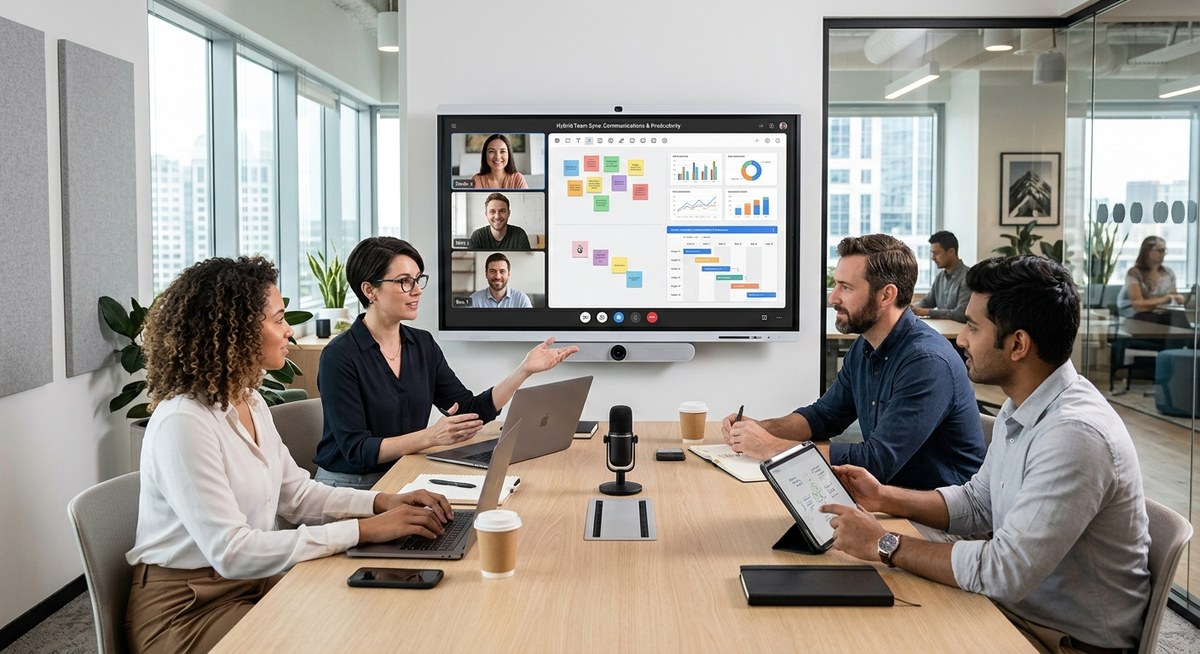
Managing a hybrid team can feel like balancing on a tightrope. With some members in the office and others working remotely, maintaining clear, consistent communication becomes a challenge. But with the right strategies, your team can thrive in this mixed environment. Effective communication isn’t just about technology; it’s about creating a culture where everyone feels heard, connected, and aligned. Here’s how to turn your hybrid team into a well-oiled, collaborative machine.
Successful hybrid team communication hinges on clear processes, the right tools, and fostering an inclusive culture. Focus on consistency, transparency, and active engagement to unlock your team’s full potential across all locations.
Understanding the essentials of hybrid communication
Hybrid work environments are here to stay. They blend in-office and remote work, offering flexibility but also presenting unique challenges. The key to success lies in developing communication strategies tailored to this dynamic setup. It’s about more than just scheduling meetings; it’s about building trust, ensuring clarity, and making everyone feel connected regardless of where they work.
Practical steps to enhance hybrid team communication
To build a resilient communication system, follow these three core steps:
1. Establish consistent communication routines
Create daily, weekly, or bi-weekly touchpoints that everyone adheres to. For example, a daily stand-up via video call helps teams share priorities and blockers. Use a shared calendar to mark key meetings and deadlines. Consistency reduces confusion and keeps everyone aligned.
2. Use the right mix of communication tools
No single tool can handle all your needs. Combine synchronous options like video calls and chat apps with asynchronous methods such as email or shared documents. For instant conversations, tools like Slack or Microsoft Teams work well. For detailed updates, consider project management platforms like Asana or ClickUp.
3. Foster an inclusive communication culture
Encourage participation from all team members. Recognize that remote workers might hesitate to speak up in virtual meetings. Use techniques like round-robin sharing or anonymous feedback forms. Make it a habit to check in on individuals who seem quiet. Building a culture of openness minimizes feelings of isolation.
Techniques for effective communication in hybrid teams
| Technique | Description | Common Mistakes |
|---|---|---|
| Regular check-ins | Short, frequent meetings that focus on updates and roadblocks | Overloading with meetings or making them too lengthy |
| Clear expectations | Define roles, responsibilities, and communication standards | Vague instructions that cause confusion |
| Use visual aids | Screen sharing, charts, and videos to clarify points | Relying solely on text can cause misunderstandings |
| Document decisions | Keep records of discussions and agreed actions | Failing to update or share key documents |
| Foster social interaction | Virtual coffee chats or informal channels | Ignoring the importance of team bonding |
“The secret to successful hybrid communication is consistency. When everyone knows what to expect and how to communicate, trust grows and collaboration flourishes,” advises communication expert Susan Johnson.
Common pitfalls and how to avoid them
| Mistake | Impact | How to fix it |
|---|---|---|
| Inconsistent meeting schedules | Confusion and missed updates | Set recurring times and stick to them |
| Over-reliance on a single platform | Missed messages or overlooked updates | Use multiple channels suited for different purposes |
| Lack of clarity in instructions | Mistakes and delays | Be specific and confirm understanding |
| Ignoring remote employees’ input | Feelings of exclusion | Actively solicit feedback and participation |
Building trust and engagement across distances
Trust is the foundation of effective communication. When team members feel trusted and valued, they’re more likely to be open and proactive. To foster this:
- Schedule regular one-on-one calls to address individual concerns
- Recognize achievements publicly, whether in team meetings or via email
- Encourage team members to share personal updates or interests
- Use video for meetings to add a human touch
Tips for virtual engagement
- Rotate meeting times to accommodate different time zones
- Use icebreakers or quick polls to keep meetings lively
- Provide opportunities for informal conversations, like virtual lunch-and-learns
Reviewing workspace options and meeting venues
Sometimes, face-to-face interactions are necessary to strengthen bonds. Consider booking coworking spaces or meeting rooms that are well-equipped with technology. Look for venues that support hybrid events with features like high-quality audio-visual equipment and flexible layouts. This enhances the experience for remote participants and makes in-person gatherings more productive.
Learn more about choosing the right coworking space for your team’s quarterly meetups by visiting how to choose the perfect coworking space.
Leveraging technology to support communication
The right tools make or break your hybrid communication system. Here are some essentials:
- Video conferencing platforms like Zoom or Google Meet for face-to-face interactions
- Instant messaging apps for quick updates
- Project management tools to track tasks and responsibilities
- Shared drives for documentation and collaboration
Choose tools that integrate seamlessly and are user-friendly. Regular training and reminders help ensure everyone uses them effectively.
Final thoughts on mastering hybrid communication
Hybrid teams can achieve high levels of productivity when communication strategies are intentional and inclusive. Focus on establishing routines, choosing the right tools, and nurturing a culture of openness. Remember, the goal isn’t just to communicate more but to communicate better. Every team member should feel heard, valued, and connected, no matter their location.
Encourage your team to experiment with different approaches, gather feedback, and refine your processes. With patience and persistence, your hybrid team will become more cohesive, engaged, and successful.
Keeping your hybrid team connected and thriving
Building a strong communication foundation takes effort but pays off in boosted morale and performance. Start small, stay consistent, and prioritize transparency. When every team member feels they are part of a shared purpose, your hybrid work environment becomes a source of strength rather than stress. Take the time to implement these strategies, and watch your team’s collaboration reach new heights.
